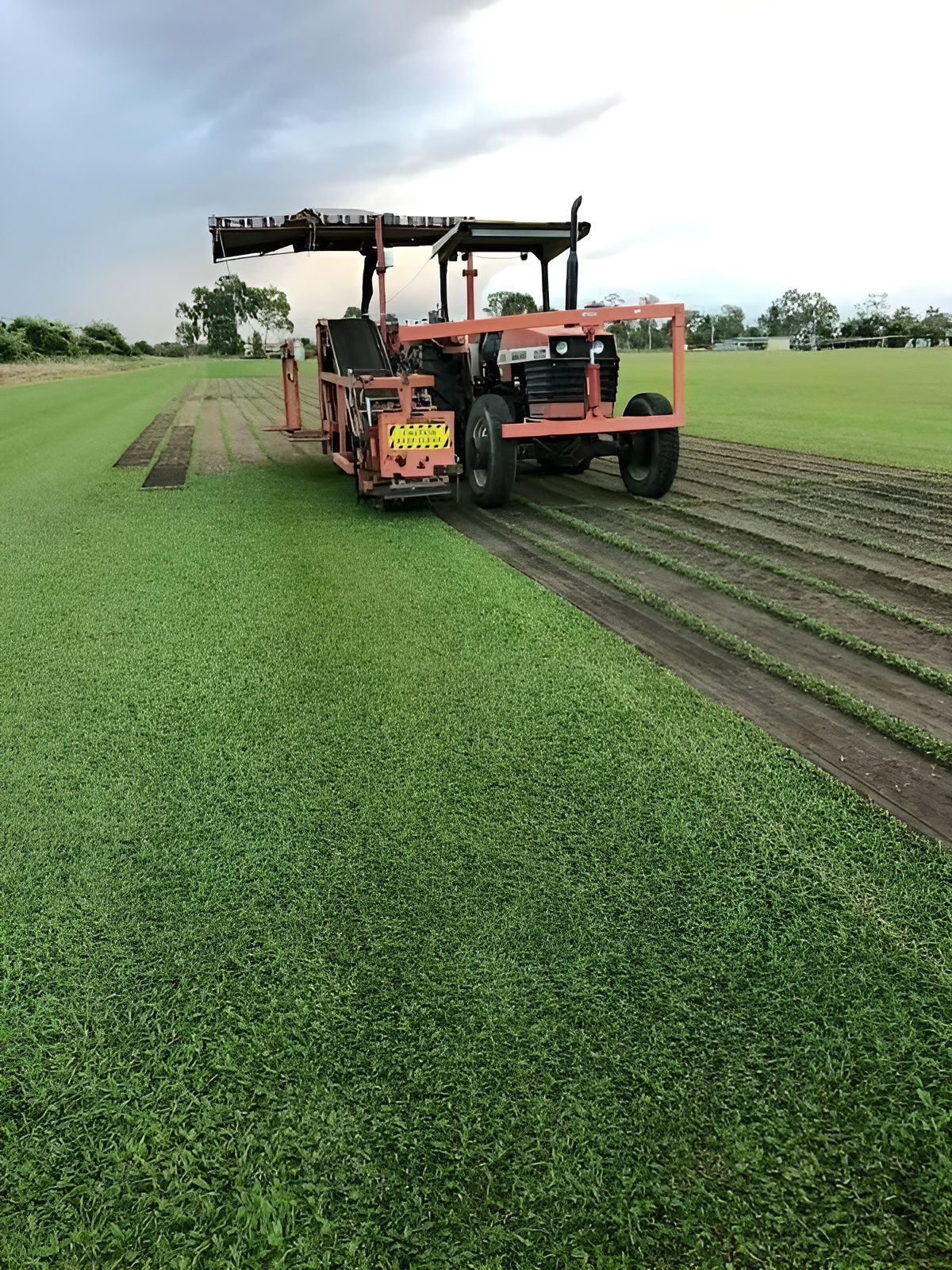
Choosing the Right Lawn
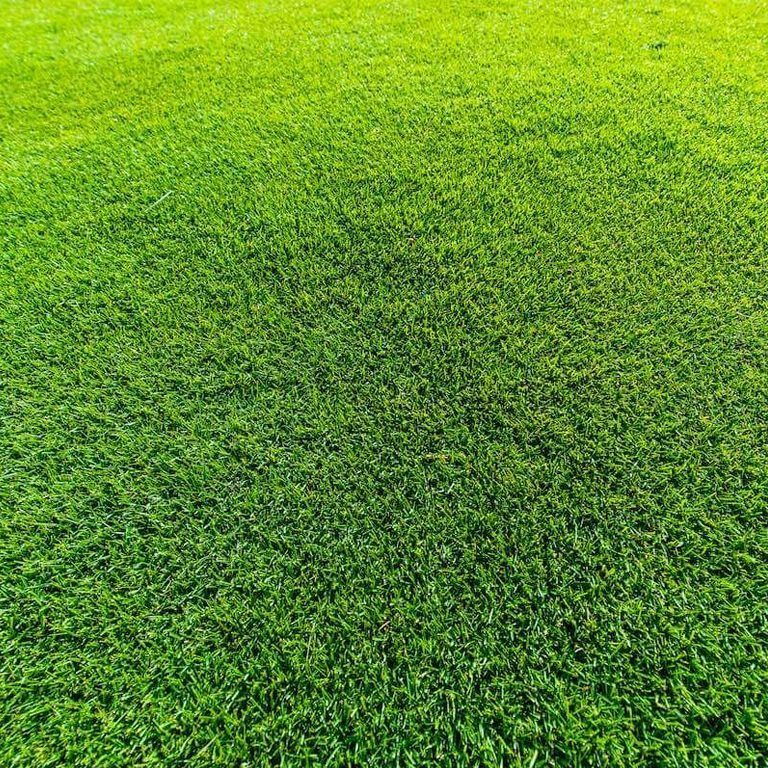
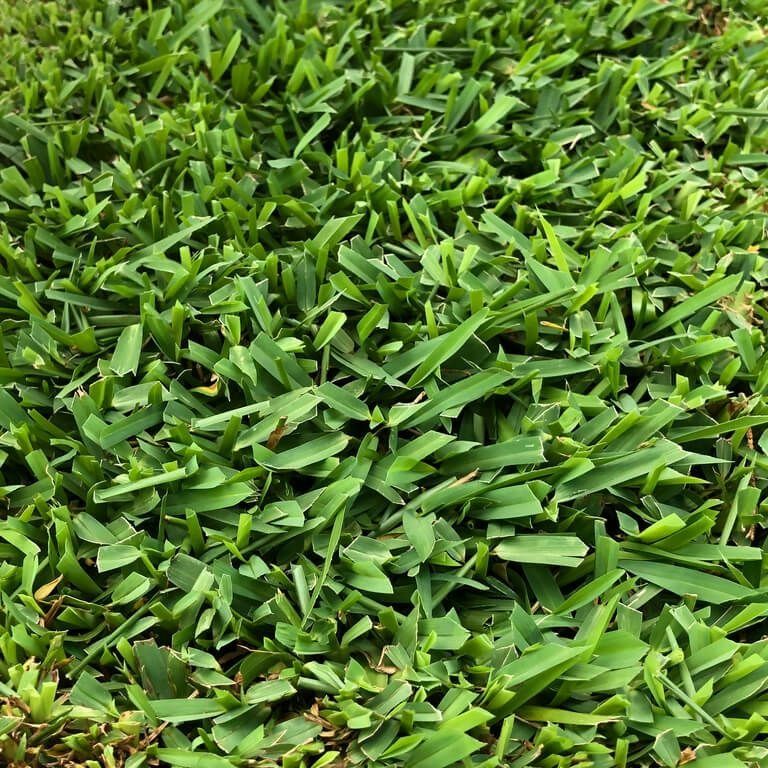
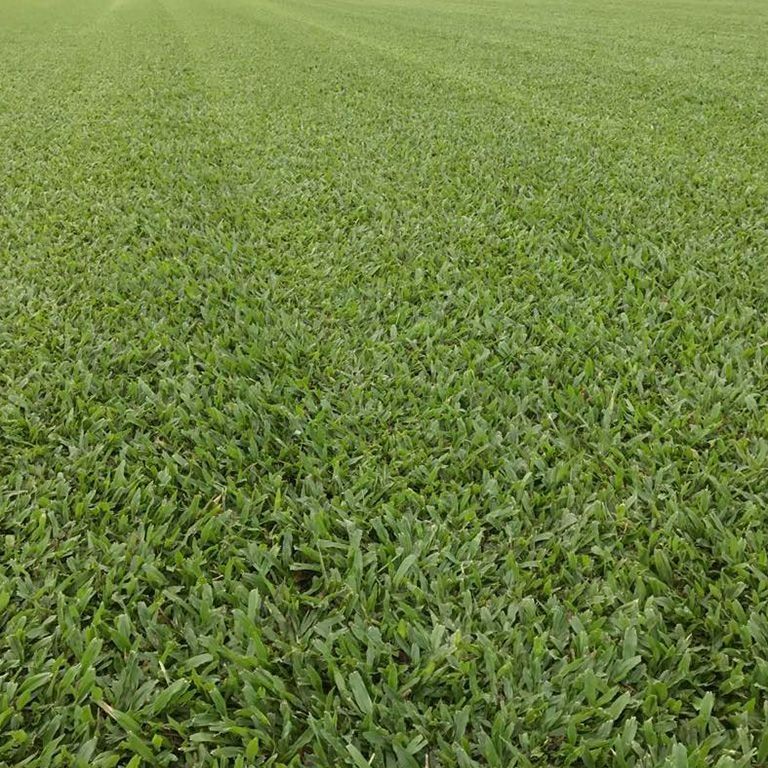
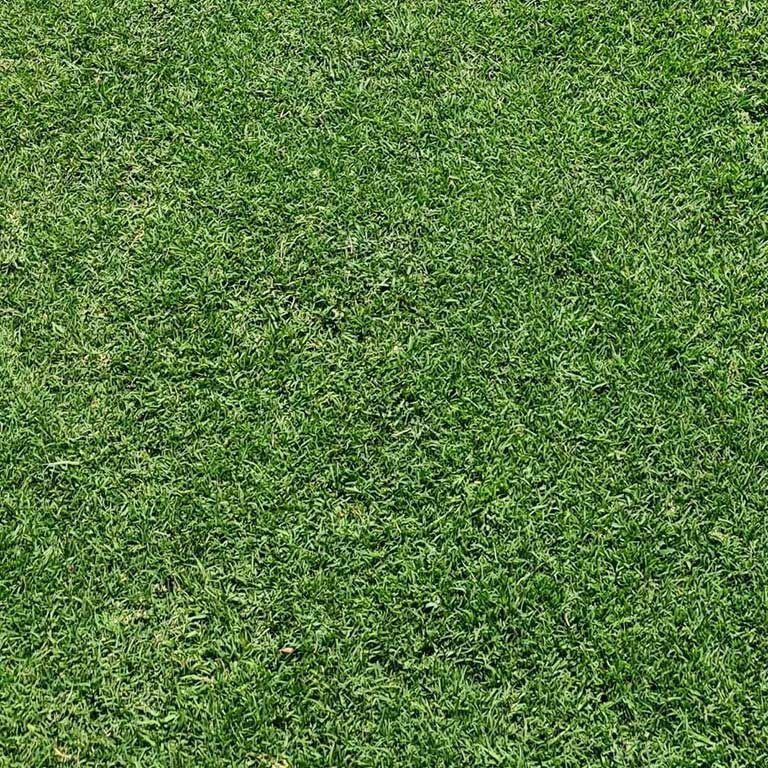
Choosing a new lawn is simpler when you match turf to your yard and lifestyle. Think about pets, expected foot traffic, whether the area is mostly sunny or shaded, your soil type including clay or salty sites, and how important pest and disease tolerance is. Also note nearby gardens, fences or trees, the colour and texture you prefer, weed risk and whether you want a low-maintenance option. If you’re still unsure, contact us and we’ll help you choose.
When you purchase turf from Top Notch Turf in Townsville, we can prepare the site and lay the lawn for you. We measure the area, confirm the best turf, remove debris, weeds and old vegetation, then cultivate the soil to about 15 cm for drainage. We add roughly 10 cm of topsoil, mix in fertiliser, level the ground, lay your chosen turf and water it in so it establishes quickly and evenly.
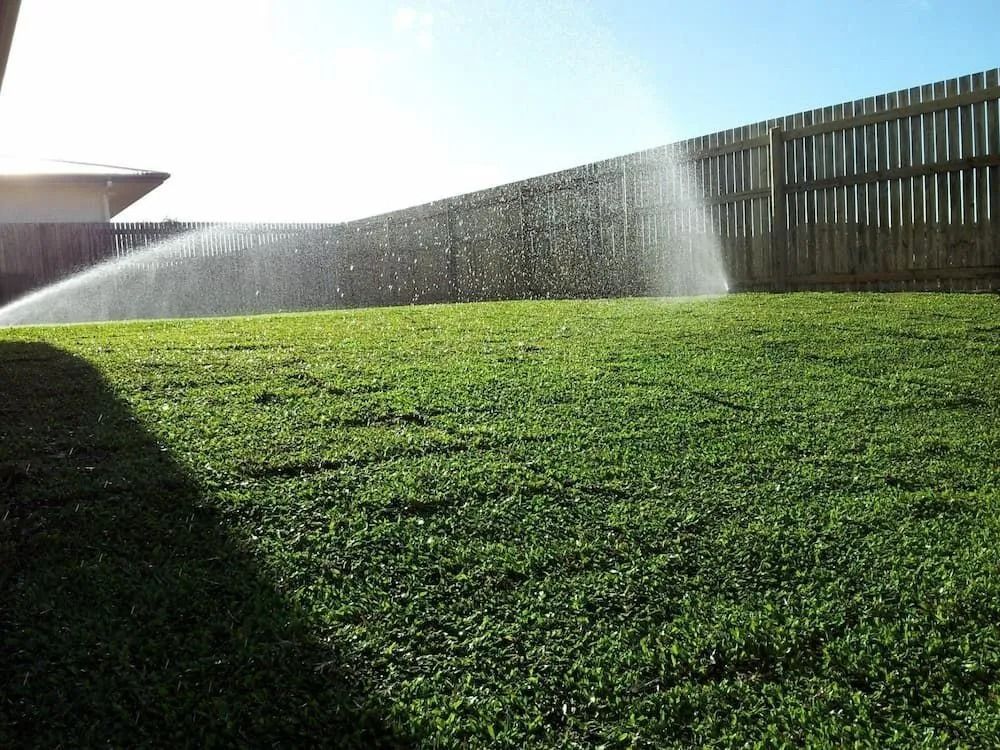
Getting Your Yard Turf Ready
A great lawn doesn’t start with turf – it starts with the groundwork underneath it. That’s where we roll up our sleeves and do the hard yards so your new lawn has the best chance to thrive.
We kick things off by measuring the area and helping choose the right turf for your space, factoring in sun, drainage and how the lawn will be used. From there, we clear away weeds, debris and any existing vegetation before cultivating the soil to around 15 cm deep to encourage strong drainage and root growth.
Next, we check the condition of the existing soil. If it needs a boost, we improve the texture so the turf can settle in properly and establish long term. Around 10 cm of quality topsoil is then added, fertiliser is worked through and the surface is levelled to create a smooth base.
Once everything’s prepped and ready, the turf is laid and watered in – setting your new lawn up for a healthy, confident start.
Frequently Asked Questions
How frequently should I water my lawn?
Watering requirements for your lawn once established will vary with soil type and weather, but we recommend at least one good soaking per week in full-sun areas and less in shady spots. Keep in mind a newly laid lawn can take six to twelve months to fully establish, so watch for yellow patches during this time as they usually signal a lack of moisture. Adjust your watering to suit the seasons, watering in the morning during winter to avoid stunting growth, and in the early evening during summer to reduce evaporation. Always check and follow any local council water restrictions.
How frequently should I mow my lawn?
Start mowing once the turf has rooted, allowing about two weeks to be safe, and keep the first couple of cuts as light trims by mowing high. When the lawn is established, aim for a mowing height of roughly 30 to 50 mm in full sun and around 60 to 70 mm in shaded areas, increasing height as shade increases so the leaf can capture enough light. Regular mowing helps control weeds and encourages the lawn to thicken, but make sure your mower is in good condition because blunt blades can tear the grass and stunt growth. Adjust mowing heights with the seasons too, raising the height in winter when lower sunlight and cooler temperatures reduce photosynthesis, then lowering the height and mowing more often in summer to suit faster growth and minimise thatch build-up.
What is thatch?
Thatch is a tightly intermingled layer of living and dead stems, leaves and roots that builds up between the actively growing grass and the soil below. A small amount is normal in healthy turf, but if it becomes too thick it can restrict air, water, fertiliser and other nutrients from reaching the roots. Heavy thatch weakens the lawn and makes it more prone to pests, disease and harsh weather. For long-term control, mow the lawn lower than normal at least once a year, but do it gradually to avoid stressing the grass. Reduce the mowing height over two to three cuts spaced about a week apart, then return the lawn to its usual height once the thatch is removed.
How frequently should I fertilise my lawn?
We recommend fertilising four to six weeks after laying your turf, then continuing every eight to twelve weeks for the rest of the year. Applying a good quality slow-release fertiliser in May and again in July will help keep your lawn healthy and green through the cooler months.
How do I identify lawn grubs?
Be mindful of lawn grubs, particularly through summer and early autumn, as they can damage a lawn quickly. Watch for freshly chewed leaves, and if you suspect an issue, flood the area with soapy water and see if grubs surface. If they do, you may need to treat the lawn with an appropriate control spray. Lawn grub treatments are readily available at most hardware stores and garden centres.